

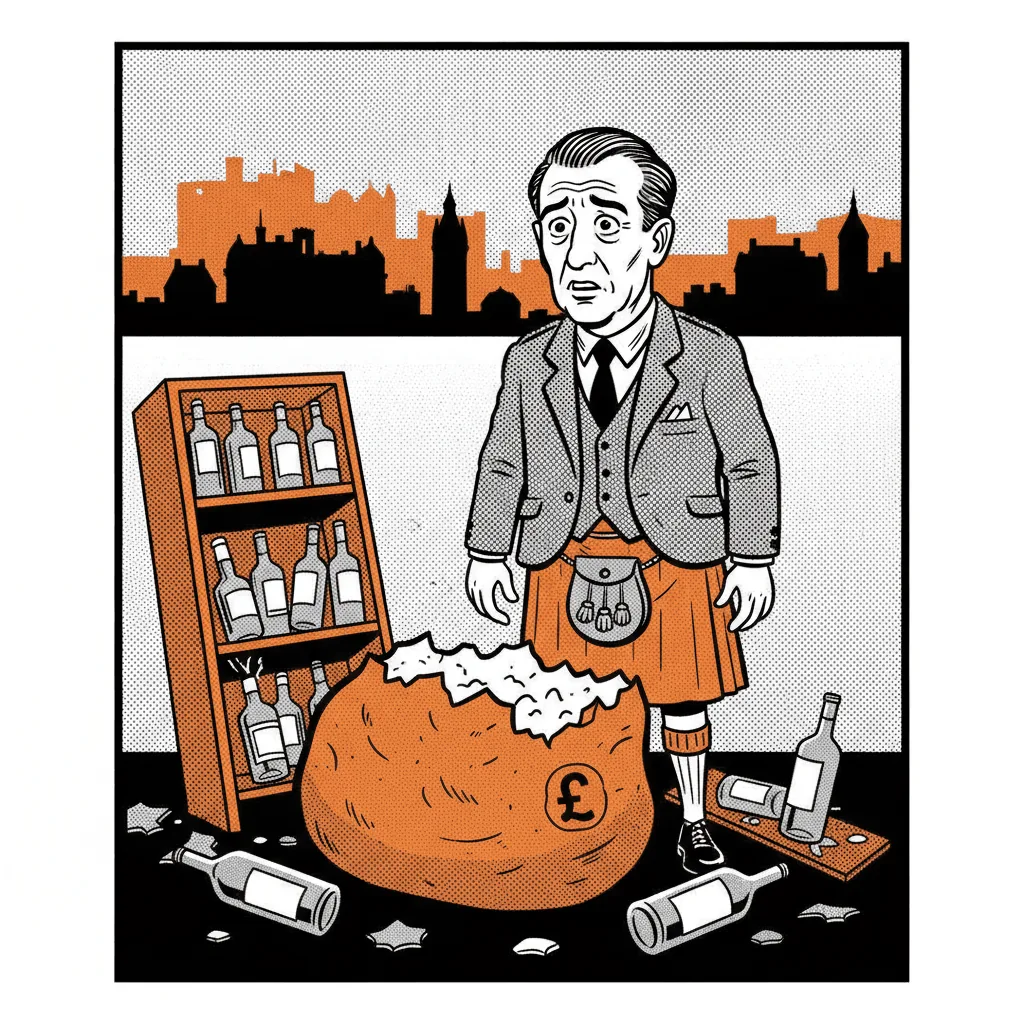
A proposal to introduce a new tax on retail alcohol sales in Scotland is generating heat before it's generated much light. Michael Marra, Scottish Labour's economy spokesperson, has floated the idea as a means of addressing public health and funding local services, but critics, including figures from the Scottish retail and hospitality sector, have been quick to label it underdeveloped. The Scottish Retail Consortium, which represents thousands of businesses across the country, has been among the voices calling for far more rigorous economic impact assessment before any such measure moves forward.
Scotland already operates under minimum unit pricing for alcohol, introduced in 2018 and upheld after a decade of legal challenge. According to Public Health Scotland, minimum unit pricing has contributed to a measurable reduction in alcohol-specific deaths, particularly among heavier drinkers. Layering a retail tax on top of that existing framework raises legitimate questions about what problem this new measure is actually solving, and who ends up paying for it.
The concern for Edinburgh's independent off-licences, convenience stores, and hospitality operators is straightforward: any additional cost burden at retail level doesn't sit in isolation. The Scottish Grocers' Federation has consistently noted that small, independent retailers operate on margins of two to four percent on alcohol lines. A new levy, without carefully designed thresholds or exemptions, risks hitting the corner shop harder than the supermarket, and the small restaurant harder than the national chain with a buying team and a legal department.
The timing matters too. Scottish hospitality is still rebuilding after the compounded pressures of the pandemic years, energy price shocks, and the National Living Wage increase that took effect in April 2025. According to UKHospitality Scotland, the sector employs around 220,000 people, making it one of the country's largest private employers. Policy interventions at this stage need to be precise instruments, not blunt ones, and the current criticism suggests this proposal is not yet either.
None of this means the idea dies here. Policy that starts half-baked can be refined. The more useful question for Scottish business owners is what this signals about the direction of travel. Both at Holyrood and in Westminster, alcohol taxation is increasingly being framed as a public health lever rather than a revenue tool, and that framing tends to generate policy. Edinburgh's hospitality and retail owners would be wise to engage now, through trade bodies, Business Gateway consultations, or direct responses to any forthcoming Scottish Parliament committee process, rather than waiting for a bill to land.