

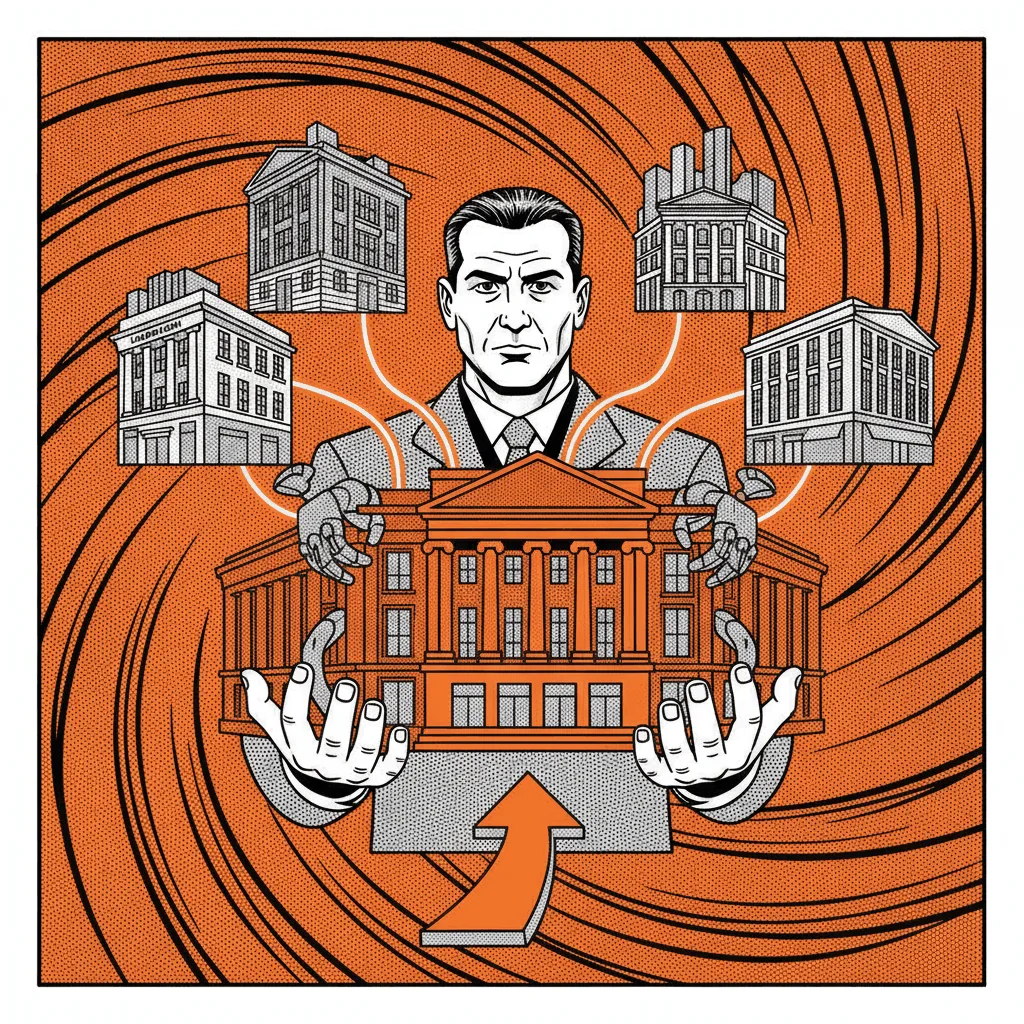
Harvey Nichols entered administration earlier this month, putting six UK stores and hundreds of jobs in immediate jeopardy. Frasers Group, the Sports Direct parent that has become one of British retail's most aggressive consolidators, moved quickly to secure the brand and its full estate: Knightsbridge, Manchester, Birmingham, Bristol, Leeds, and Edinburgh. The price has not been disclosed, but the speed of the deal suggests Ashley's team saw enough margin in the marque to act before a protracted process destroyed the trading value.
For Edinburgh, the stakes are concrete. Harvey Nichols sits at the St Andrew Square end of the city's premium retail corridor, drawing footfall that benefits independent restaurants, boutiques, and service businesses across the New Town and George Street. According to research by Edinburgh City Council's city centre recovery programme, anchor department stores generate secondary spend of up to three times their own turnover in surrounding businesses. Losing the store would have left a significant void, both commercial and psychological, in a city centre still recalibrating after the disruption of recent years.
The more complicated question is what Frasers Group actually does with Harvey Nichols now it owns it. Ashley's playbook is well-documented: acquire distressed retail assets, cut costs sharply, and gradually introduce Frasers-owned brands into the floor space. His group already controls Flannels, the luxury streetwear chain, and has spent several years positioning it as a challenger to exactly the kind of curated luxury department store Harvey Nichols represents. According to retail analyst firm GlobalData, Frasers Group's revenue exceeded £5 billion in its last reported financial year, giving it genuine firepower, but its luxury credentials remain contested in the industry.
Scottish Retail Consortium director David Lonsdale welcomed the rescue, noting that the loss of a major anchor would have had ripple effects across supplier relationships and commercial property valuations. That last point matters for Edinburgh specifically. George Street and St Andrew Square have seen significant investment in premium hospitality and retail over the past decade, and a dark Harvey Nichols would have put pressure on neighbouring landlords and dampened appetite for further investment in the area. The Scottish Government's town centre regeneration strategy, which identifies anchor tenants as critical infrastructure for high street health, gives further weight to why this outcome matters beyond the brand itself.
What Edinburgh gets, at minimum, is continuity: a trading store, employed staff, and a maintained footfall magnet through the critical summer tourist season. What it gets long-term depends entirely on how Ashley repositions the brand. If Frasers moves Harvey Nichols downmarket, or cannibalises its floor space with Sports Direct or Flannels concessions, the premium halo effect that benefits surrounding businesses weakens. If, on the other hand, the group invests in the Edinburgh store as a genuine luxury destination, something it has done selectively with Flannels flagships in other cities, the city's retail offer gets stronger. Either way, the alternative was worse.