

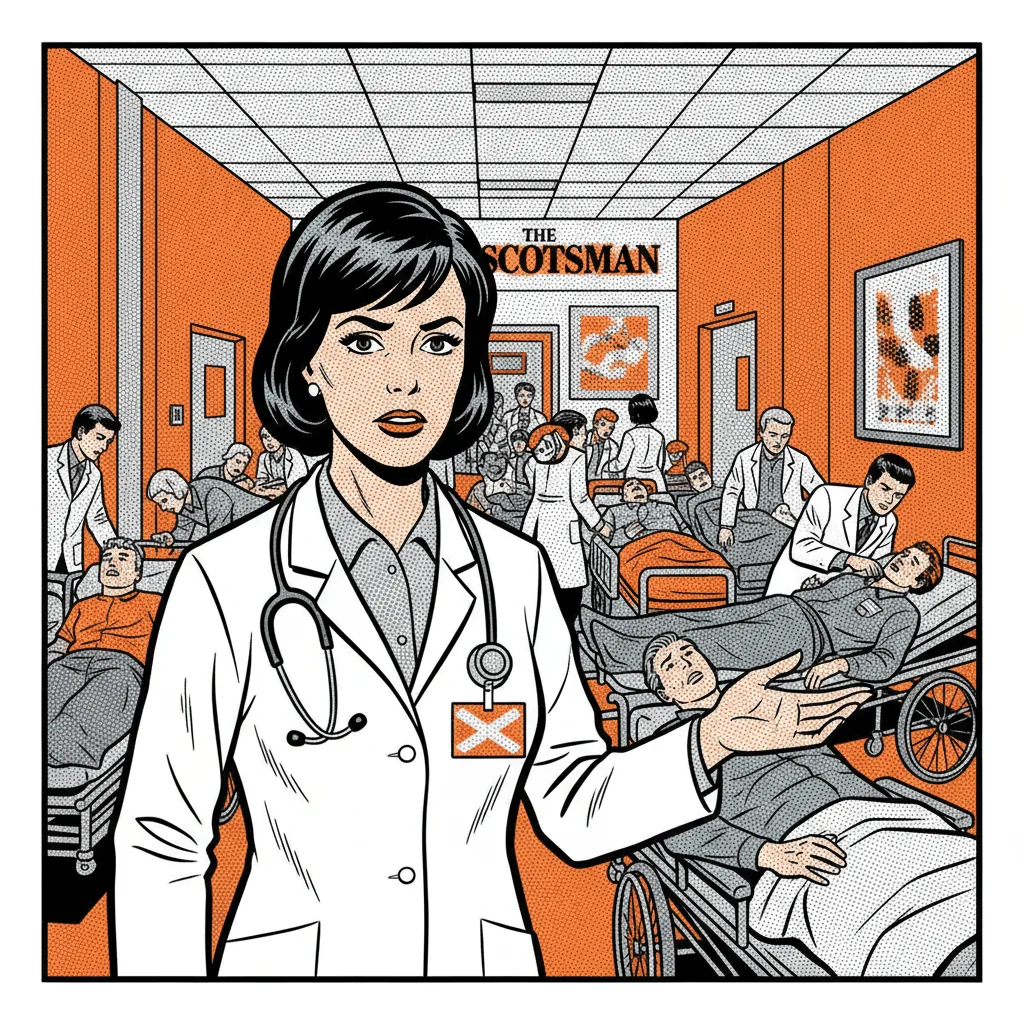
Scotland's emergency departments are already operating at what senior clinicians are calling unsafe levels of care, and the cold months have not yet arrived. A leading A&E doctor, writing in The Scotsman, warns that NHS Scotland runs the risk of losing everything if radical reform does not happen fast. This is not a winter crisis preview. According to the doctors on the ground, the crisis is already here.
Cabinet Secretary for Health Angela Constance has acknowledged the gravity of the situation in the same publication, framing it as a defining moment for the health service. The pressure is structural, not seasonal: a combination of workforce shortfall, rising demand, and an ageing population has pushed emergency departments past the point where normal operational pressure explains the strain. According to NHS Scotland's own performance data, A&E four-hour waiting targets have been missed consistently throughout 2024, with only around 67,68% of patients seen within the target window, against the 95% standard.
For Scottish SME owners, this matters in ways that go beyond the headlines. Your staff are patients too. When a team member cannot get a GP appointment, they end up in A&E. When A&E is overwhelmed, they wait hours, return to work exhausted, or delay seeking help until a minor problem becomes a serious one. The Health Foundation has documented how workforce health and NHS access are directly linked to small business productivity, particularly in sectors with lean teams where one person off sick for a week has outsized impact.
There is something practical you can do today, and it does not require waiting for Holyrood to fix a system that took decades to strain. Occupational health tools, digital GP services, and AI-assisted triage platforms have matured significantly in the last two years. Services like Babylon Health, Livi, and the NHS's own NHS 24 digital pathway offer faster access points that can redirect non-emergency queries away from A&E entirely. Some Edinburgh-based employers are now offering private GP access as a staff benefit, not as a luxury, but as a buffer against a public system under maximum load. The cost is often far lower than a week of lost output from a sick employee who could not get seen in time.
The Scottish Government's workforce reform agenda for NHS Scotland includes commitments to digital health integration and preventative care investment, as outlined in its 2023 Health and Social Care Delivery Plan. Those are medium-term levers. Right now, the short-term reality is that your team's health resilience is partly your responsibility to plan for, because the system that was supposed to catch them is stretched thin. That is not a criticism of the NHS or the people working themselves to exhaustion inside it. It is simply the operating environment. Knowing it, and planning around it, is what good employers do.