

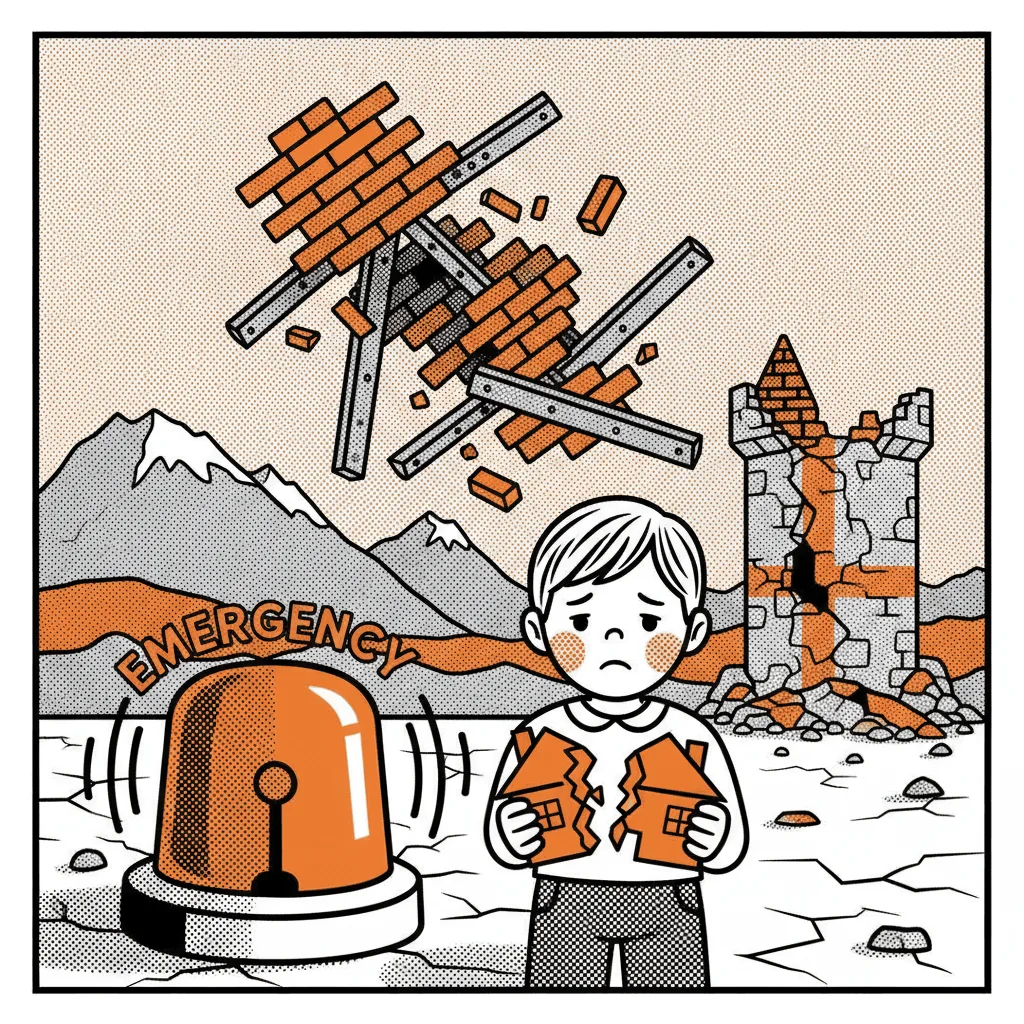
Scotland completed fewer new homes in the past year than at any point since 2013, according to figures reported by the Daily Business Group. That is not a blip. That is a trend moving in the exact opposite direction to a declared national housing emergency, and the consequences for businesses that depend on construction activity are immediate and tangible.
The Scottish Government declared a housing emergency in May 2024, a formal acknowledgement that supply had fallen catastrophically short of demand. According to Shelter Scotland, more than 10,000 children were living in temporary accommodation at the time of the declaration. The political signal was clear: this is a crisis, and building must accelerate. The data says it has done precisely the opposite.
The reasons are layered. Construction cost inflation has made many schemes unviable at current grant subsidy levels. Planning delays continue to add months to project timelines. Interest rates, although easing, have kept private developers cautious. According to the Royal Institution of Chartered Surveyors (RICS) Scotland, contractor confidence in the residential sector has remained fragile throughout 2024 and into 2025, with tender pipelines thinner than at any comparable period in the past decade.
For the SMEs who sit in the middle of this, the picture is uncomfortable. Sole-trader joiners, small groundwork firms, plant hire operators, brick and block merchants, and architects who built their order books around residential developments are now chasing fewer projects across a tighter market. Scottish Enterprise has flagged construction as a strategically important sector for regional employment, particularly in areas where housebuilding is one of the few drivers of local economic activity. A sustained drop in completions does not stay inside the construction sector. It travels outward into hardware suppliers, kitchen and bathroom retailers, landscaping firms, and removal companies.
There is a longer argument here about what Westminster's fiscal framework does and does not allow the Scottish Government to borrow for capital investment, and it is worth having cleanly. The Scottish Government does not have the same borrowing powers as Westminster for capital projects. That structural constraint limits how aggressively Holyrood can fund affordable housing in a period of high construction costs. Whether you think that constraint is a feature or a bug of the current constitutional settlement rather depends on where you stand, but the effect on the ground is the same either way: fewer homes built, fewer contracts for Scottish tradespeople, and a housing emergency that remains very much in emergency territory.
Business Gateway Scotland and local authorities have grant and support programmes for construction SMEs looking to diversify into retrofit, energy efficiency upgrades, and social housing maintenance, sectors where public spending is comparatively more protected. For firms whose pipeline has been built entirely around new-build residential, now is the moment to map alternative revenue streams before the squeeze becomes a crisis of its own.