

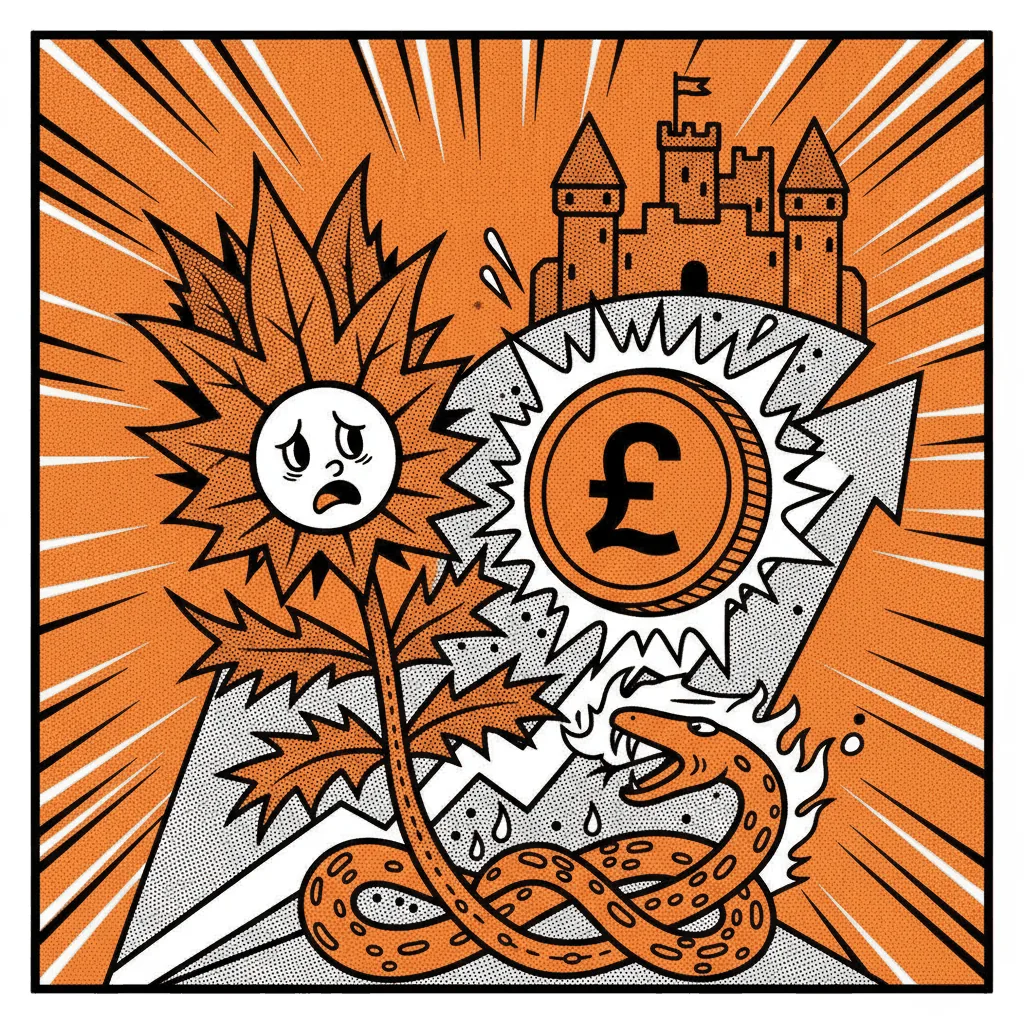
The probability of a Bank of England base rate increase has risen sharply as fresh inflation data signals that the UK's price problem is not yet solved. Markets are now pricing in a higher chance of a rate hike before the end of 2026, reversing assumptions that had settled around a steady or declining rate environment through the year. For any Scottish SME with a commercial mortgage, variable-rate loan, or invoice finance facility, this is not abstract monetary policy. It is a line on the P&L that could move without much warning.
The inflation resurgence appears to be driven by a combination of persistent services-sector price pressure and a modest recovery in energy costs, two areas the Bank of England has been watching closely. According to the Office for National Statistics, services inflation has proven stubbornly resistant to previous rate rises, running well above the Bank's 2% target even as headline CPI appeared to cool earlier in the year. That stickiness is exactly what gives the Monetary Policy Committee grounds to act again.
The Bank of England's own Monetary Policy Report has consistently flagged that the path back to target would not be linear, and this latest data appears to be vindicating that caution. Financial markets, which had been betting on cuts through the second half of 2026, have shifted position. Swap rates, the instruments banks use to price fixed-rate lending, have already moved in response, which means the cost of fixing borrowing is rising even before the MPC votes on anything.
For Edinburgh and Scottish SMEs, the practical exposure varies significantly by business type. Firms in hospitality, retail, and construction tend to carry more variable-rate debt and are more directly exposed to a rate move. Professional services firms and those running lean, low-debt operations have more insulation, but are not immune: suppliers, landlords, and customers all feel rate pressure, and that feeds through to payment terms, order volumes, and investment appetite across the supply chain. The Federation of Small Businesses has previously noted that rate uncertainty suppresses SME capital expenditure plans more than the rate level itself, because it makes forecasting impossible.
Scotland's business environment adds a specific dimension here. Scottish Enterprise and Business Gateway both offer advisory support for SMEs reviewing their financial structure, and this is precisely the moment to use it. A conversation with a financial adviser about fixing a portion of your debt, stress-testing your cash flow against a 0.25% or 0.5% rate rise, and reviewing your working capital facility costs nothing upfront and could save you a serious headache in Q4. The Scottish Government's economic development bodies exist for moments like this. If you have not knocked on that door recently, now is a reasonable time to do so.