

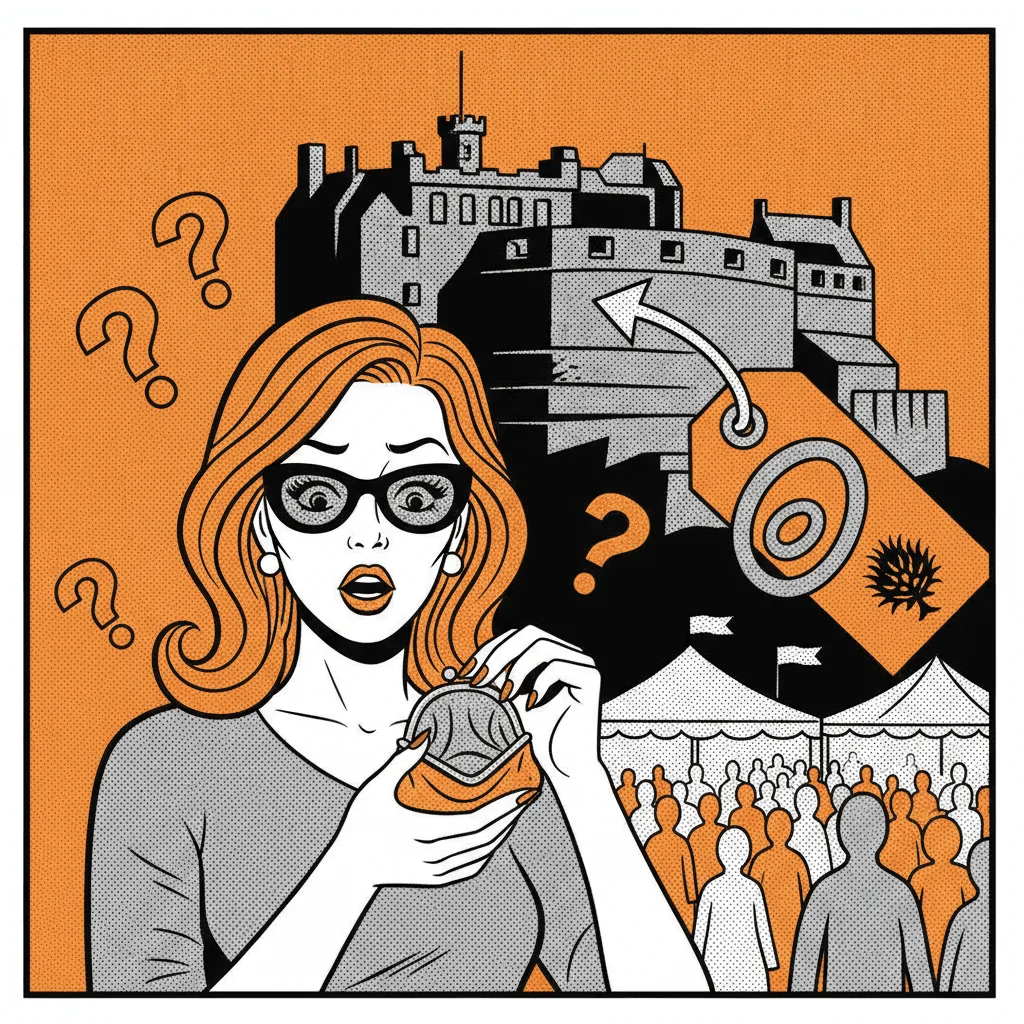
Ask anyone who has tried to book a city-centre flat in August and they will tell you Edinburgh becomes a different financial planet. That feeling is real. But according to BBC Scotland's analysis of festival pricing, the picture is less dramatic than the annual chorus of outrage suggests. Ticket prices for Fringe shows have risen, yes, but so has the volume of free and pay-what-you-can events, which now account for a substantial share of the programme. The festival is, simultaneously, more expensive and more accessible than it has ever been.
The numbers on accommodation are harder to argue with. Data from short-term rental platforms shows Edinburgh's August nightly rates running at multiples of the year-round average, with some central properties listed at three to four times their off-season price. VisitScotland figures consistently rank August as the city's peak trading month, with visitor spend estimated in the hundreds of millions across the festival period. For the hospitality and retail businesses in the city, this is the month that can make or break an annual P&L.
What the BBC analysis also surfaces is a growing tension inside the festival itself. The Edinburgh Festival Fringe Society has made affordability a stated priority, and its own data shows that a majority of shows still ticket below £15. The problem is perception: the shows that attract headlines, and the bars and restaurants that price accordingly, set the cultural temperature even if they represent a minority of what is actually on offer. A family from Fife can have a full Fringe day for under £30 if they know where to look. Most visitors don't know where to look.
For Edinburgh's SME community, August's economics cut both ways. Footfall is extraordinary, and businesses in the hospitality, retail, and creative sectors that plan properly can bank a disproportionate slice of annual revenue in three weeks. But the costs of operating in August, from casual staff rates to supplier premiums, also spike. According to the Federation of Small Businesses Scotland, many Edinburgh independents report that August's margin is thinner than the raw turnover figure implies. Volume is up; profit per transaction is not always following.
There is also the longer civic question of what runaway August pricing does to Edinburgh's reputation as an open, democratic cultural city. The Fringe was founded in 1947 on the principle that anyone could perform and anyone could attend. Academic research from the University of Edinburgh's Centre for Creative Industries has pointed to the risk that pricing pressure, particularly in accommodation, gradually shifts the festival's audience toward higher-income visitors and international tourists, while priced-out locals disengage. That is a slow erosion, not a cliff edge, but it is worth watching.