

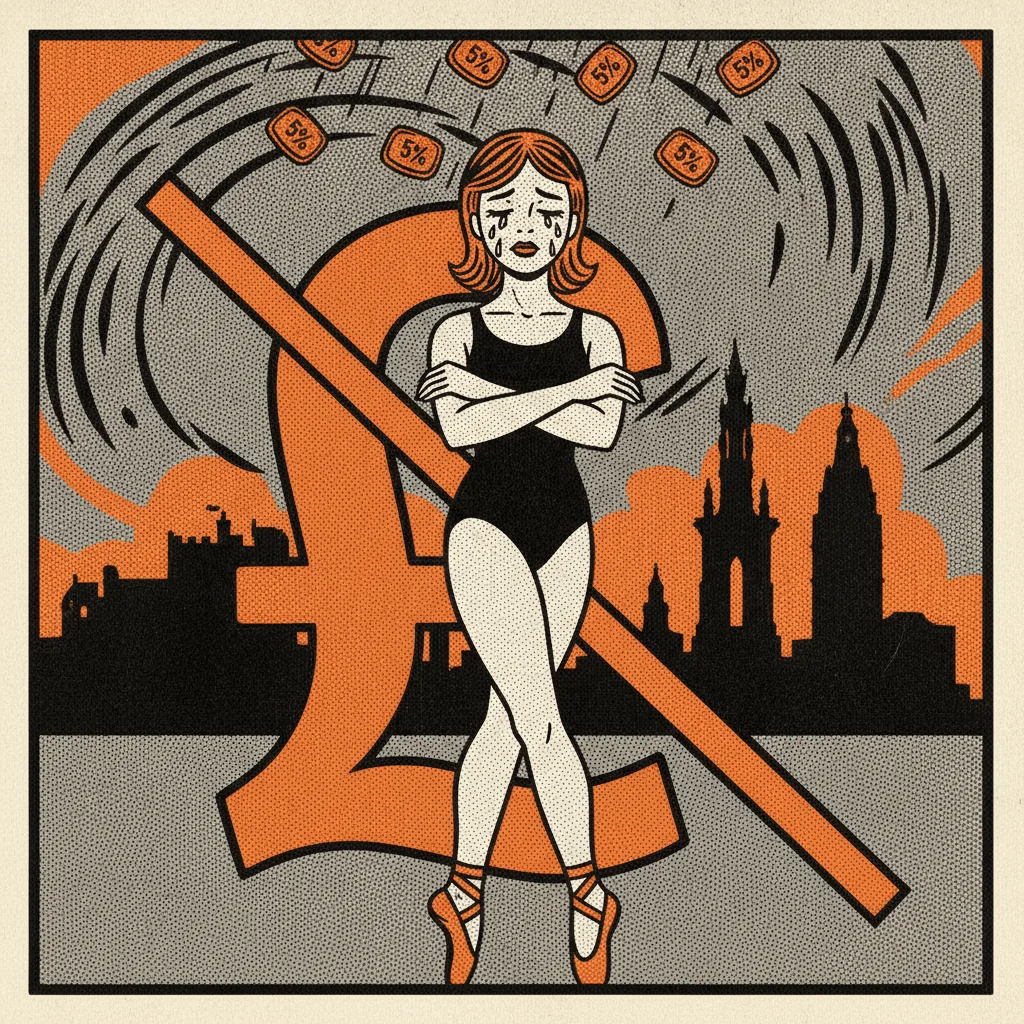
From this Friday, every overnight stay in Edinburgh carries an additional 5% charge under the new Edinburgh Visitor Levy. It is the first tourism tax of its kind in Scotland, and the hospitality sector has had months to prepare. What it did not fully anticipate was losing anchor cultural events before the scheme even launched. Scottish Ballet has confirmed it is cancelling planned Edinburgh performances, citing the levy as a factor that tips its touring economics into the red.
Scottish Ballet is not a small player. It is the national company, publicly funded, and a significant draw for visitors who book hotels, eat in restaurants, and spend in the city across multi-day stays. When the national ballet says Edinburgh is no longer viable as a touring stop, that is not a press release complaint. That is a signal worth reading carefully. The company's position is that exemptions for cultural organisations, which were discussed during the levy's development, did not materialise in meaningful form.
The levy itself is administered by the City of Edinburgh Council, which estimates it will generate around £50 million per year once bedded in, ringfenced for visitor-related infrastructure and services. On paper, that is a reasonable proposition. Edinburgh's tourist infrastructure is genuinely strained during peak periods, and residents have long made the case that visitors should contribute to the cost of the city they are enjoying. According to the Scottish Tourism Alliance, Scotland's visitor economy was worth £9.2 billion in 2023, with Edinburgh accounting for a disproportionate share of overnight stays.
The friction point is implementation. Hospitality businesses, many of them small and independently run, now carry the administrative burden of collecting and remitting the levy. A guesthouse with eight rooms and one member of staff does not have a finance department. They have a spreadsheet and a hope. Industry body UKHospitality Scotland has flagged consistently that the compliance load falls heaviest on the smallest operators, and that the timing, landing mid-summer, peak season, with international bookings already locked in at pre-levy prices, creates immediate margin pressure that larger chains can absorb more easily than independents.
The Scottish Government's position, as outlined in the Visitor Levy (Scotland) Act 2024, is that local authorities have the power to set and apply these levies as they see fit, with proceeds invested locally. That devolved logic is sound. But the Scottish Ballet situation illustrates a gap in how cultural bodies that depend on touring revenue interact with a cost structure designed around commercial accommodation. A visiting dance company's dancers, crew, and production teams fill hotels. If the company cancels, those rooms go empty, and the levy collects nothing. It is a dynamic that Edinburgh Council may need to revisit with specific carve-outs or offset mechanisms for major cultural draws.
For the city's independent hospitality operators, the immediate question is operational. The levy is charged per room per night, collected by the accommodation provider, and remitted to the council quarterly. Businesses need to update their booking systems, ensure their pricing reflects the change transparently, and communicate clearly with guests who may not be aware of the new charge. Failure to collect and remit correctly carries compliance risk. The council has published guidance, and Business Gateway Edinburgh is running support sessions for operators who need help with the mechanics.
The longer-term question is one of competitiveness. Edinburgh already sits at the premium end of UK city-break pricing. According to data from hotel analytics firm STR, average daily room rates in Edinburgh during August regularly exceed those in Manchester, Birmingham, and Leeds by 30% or more. Adding 5% to a stay that already costs more than comparable UK destinations is a marginal cost that will not deter the committed Edinburgh visitor. But at the edges, the conference delegate choosing between Edinburgh and Glasgow, the touring company weighing venues, it is exactly the kind of friction that tips decisions. Scottish Ballet has just shown what that looks like in practice.