

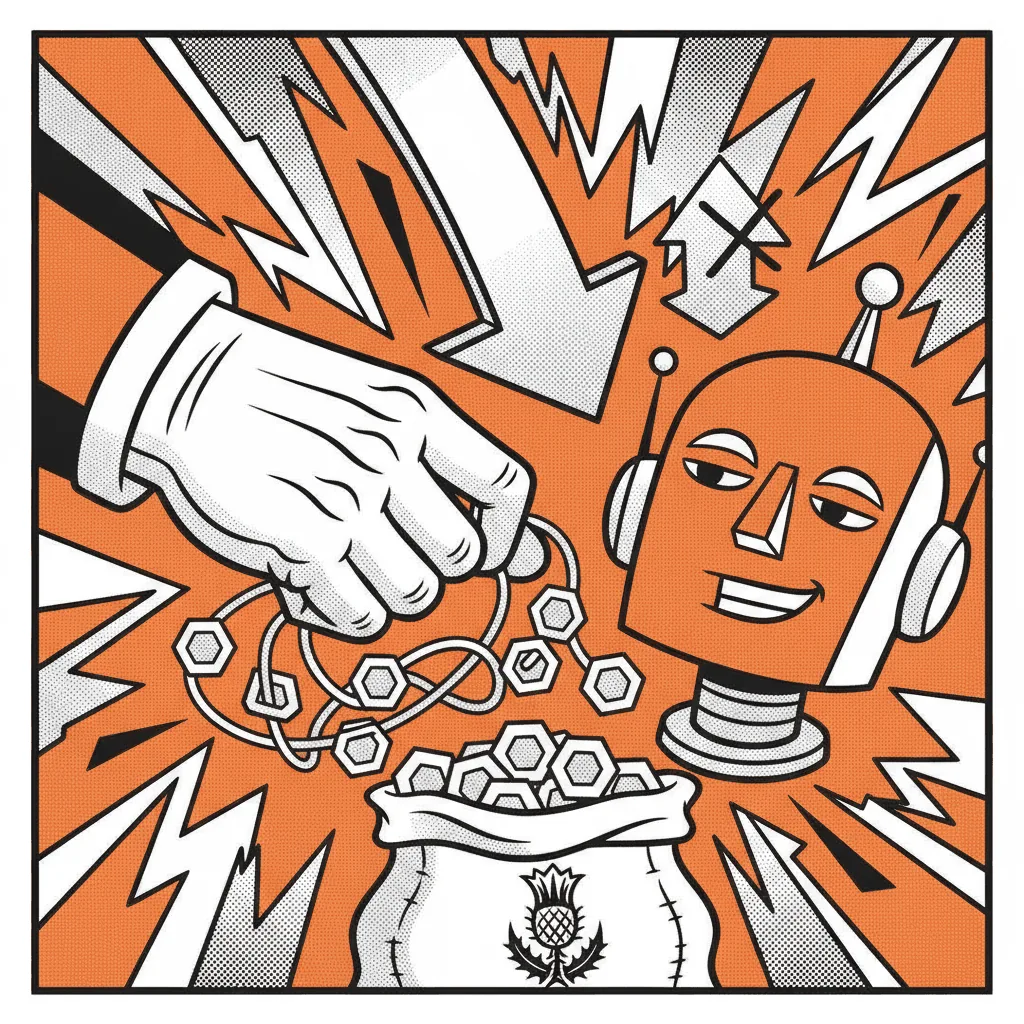
If you're on a paid AI plan and you're not thinking about token efficiency, you're almost certainly overspending. Tokens are the units AI models use to process text: every word you send in, every word you get back, counts against your usage. Most business users have developed habits that burn tokens fast, long, conversational prompts, excessive context padding, vague instructions that force the model to hedge and ramble. Tokenminning is the discipline of cutting all of that out.
The term, popularised in a recent Towards Data Science piece, sits in deliberate contrast to "tokenmaxxing", the instinct to front-load prompts with as much context as possible in the hope of better answers. Tokenmaxxing made a kind of intuitive sense when AI models were less capable. It makes less sense now. Models like GPT-4o, Claude 3.5 Sonnet, and Gemini 1.5 Pro are far better at inference than their predecessors. You do not need to spell everything out. According to Anthropic's own prompt engineering documentation, concise and specific instructions consistently outperform verbose ones for most business tasks. Shorter prompts, better results, lower bill.
The practical shifts are unglamorous but real. Replace soft openers like "I was wondering if you could help me think about..." with direct commands: "Write a 200-word summary of X for an audience of Y." Cut background context the model doesn't need. If you're summarising a document, paste the document, don't describe it first. Use system prompts or custom instructions to lock in your tone, audience, and constraints once, rather than repeating them every session. OpenAI's API pricing data shows that input tokens and output tokens are both metered; reducing unnecessary back-and-forth can meaningfully reduce monthly costs, particularly for teams running high-volume tasks like customer email drafts, report generation, or social content.
For Edinburgh SMEs using AI daily, the maths matters more than it does for large firms with enterprise contracts. A solopreneur paying £20 a month for ChatGPT Plus, or a small agency running API calls for client work, can stretch that budget significantly by tightening their prompting discipline. Research from Stanford's Human-Centered AI Institute has consistently found that AI productivity gains are largest when users develop structured, repeatable workflows rather than treating each interaction as a fresh conversation. Tokenminning is the cost-side of that same argument: build leaner habits, and the tool pays for itself faster.
The broader point is one The Loop has made before: AI is the great equaliser, but only if you use it efficiently. A one-person consultancy in Leith running tight, well-structured prompts can generate the same quality of output as a 20-person content team in London spending ten times as much. The edge isn't access to the tool. The edge is knowing how to use it without waste. Tokenminning is, in that sense, less a technical trick and more a mindset: precise, purposeful, and allergic to padding. Sound familiar? It should. It's how good business writing works too.