

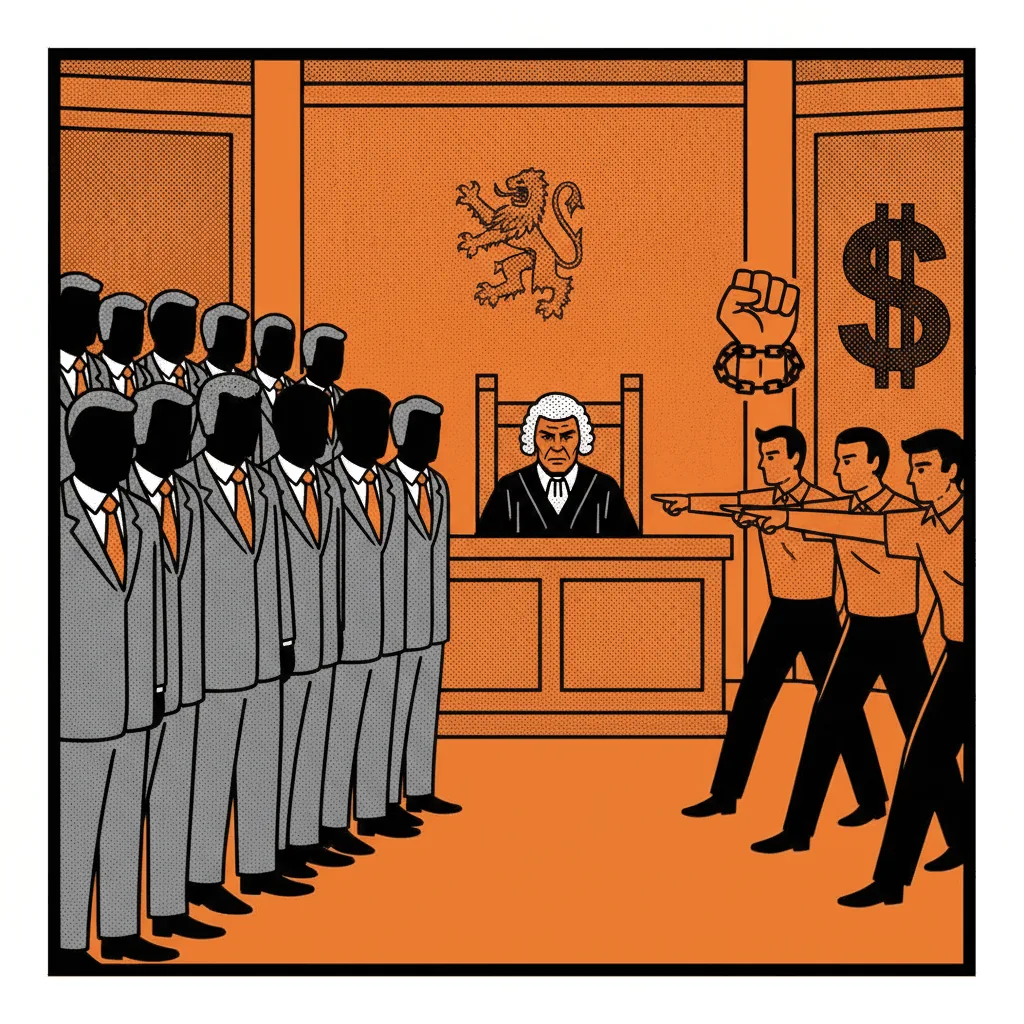
Rockstar North, the Edinburgh-based studio developing the most anticipated video game in history, is facing its first day of an unfair dismissal tribunal this week. Former employees are claiming they were let go not for legitimate performance or business reasons, but in a deliberate attempt to crush emerging union organising activity within the studio. In employment law, that allegation carries a specific and serious weight: dismissal connected to trade union membership or activity is automatically unfair under the Trade Union and Labour Relations (Consolidation) Act 1992, regardless of length of service.
The case centres on a pattern that employment lawyers recognise immediately. Staff begin discussing collective representation; management moves quickly to remove individuals involved; those individuals then claim the sequence was no coincidence. Whether or not that is what happened at Rockstar North, the tribunal will now examine the paper trail, the timing, and the stated reasons for each dismissal. As Acas guidance makes clear, employers must be able to demonstrate that the reason for dismissal was genuine, fair, and followed a proper process, and that process has to stand up to scrutiny line by line.
Rockstar North is part of Take-Two Interactive, one of the most valuable entertainment companies on the planet, with resources to field legal teams most Scottish employers could not imagine. That asymmetry matters. When large studios face these claims, the cases shape industry practice and set expectations across the creative and tech sectors. According to the Law Society of Scotland, employment tribunal claims in Scotland have been rising steadily since fees were abolished by the Supreme Court in 2017, removing a financial barrier that once kept many legitimate claims from ever being heard.
For Edinburgh's games and creative tech community, the story lands with particular force. Scotland has a genuinely significant games industry: companies including Rockstar North, Tag Games in Dundee, and Outplay Entertainment in Stirling have built the sector into a real economic asset. Creative workers in that world are increasingly organised and aware of their rights. The UK's games industry union, Game Workers Unite, which later merged into the IWGB, has spent years building knowledge and confidence among developers who previously assumed they had little recourse. This tribunal is, in part, the result of that shift.
The broader lesson for Scottish employers in any sector is straightforward. The moment a dismissal involves someone who has raised collective concerns, joined a union, or spoken to colleagues about their rights, the legal risk profile of that dismissal changes entirely. The Employment Rights Act 1996 and subsequent case law require not just a fair reason but a fair procedure: investigation, written notice, a hearing, the right of appeal. Skip a step, and the process collapses. The Advisory, Conciliation and Arbitration Service (Acas) publishes a statutory Code of Practice on disciplinary and grievance procedures, and tribunals measure employer conduct against it directly. Departing from it without good reason increases any compensation award.