

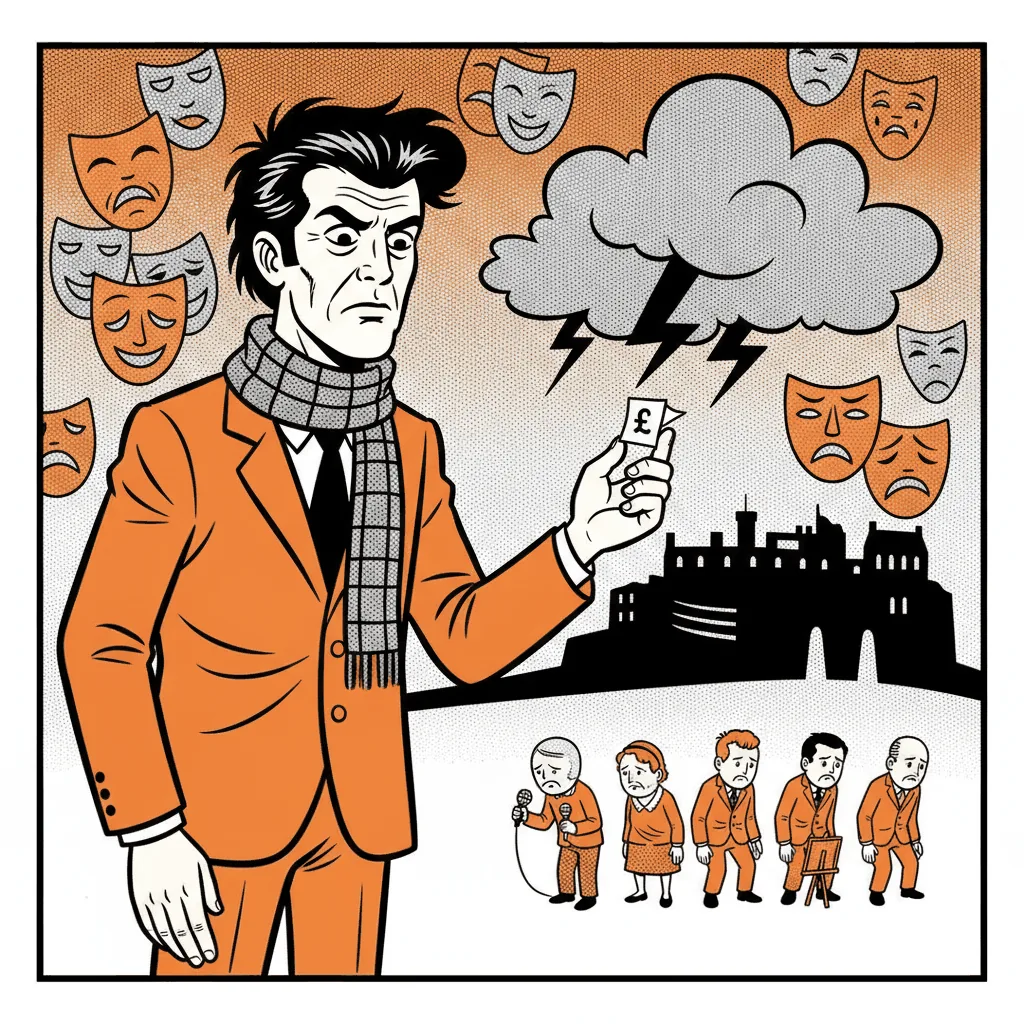
Edinburgh's eleven major festivals collectively generate around £407 million for the Scottish economy each year, according to Edinburgh Festival City figures. That number sits awkwardly alongside the word currently being used by Fringe chief executive Shona McCarthy to describe the funding on offer from the city's new visitor levy: woefully inadequate. A Culture Committee meeting convened to discuss how that levy income would be distributed to festivals was postponed by Edinburgh City Council, leaving festival organisers without answers at exactly the moment they need to plan.
The visitor levy, which came into force in July 2026, charges overnight visitors £2 per room per night, capped at seven nights. The City of Edinburgh Council had signalled that a portion of those funds would flow toward the cultural infrastructure that makes Edinburgh worth visiting in the first place. But festival leaders say what's actually on the table doesn't come close to covering rising costs, let alone offsetting the additional administrative burden the levy itself creates for events that rely on thousands of visiting performers, crews, and productions.
The timing is pointed. UK-wide, arts and cultural organisations have faced sustained funding pressure since 2020. Creative Scotland, which distributes Scottish Government arts funding, has faced its own budget constraints, and the gap between what festivals cost to run and what public bodies can contribute has widened steadily. According to the Scottish Tourism Alliance, the festival season accounts for a disproportionate share of Scotland's annual inbound tourism, meaning any reduction in reach or ambition sends ripples well beyond the Meadows and the Mile.
For Edinburgh's small business community, that ripple is the story. The August festival period alone is responsible for filling hotels, restaurants, bars, taxis, short-term lets, print shops, costume suppliers, and a thousand other businesses that quietly build their annual buffer during those three weeks. Research published by the Edinburgh Festival Fringe Society has previously estimated that Fringe audiences spend over £200 million in the city during the event. A scaled-back festival is not an abstract cultural loss; it is a measurable hit to summer revenue for the SMEs who depend on that footfall.
The postponed committee report means the funding question remains unresolved, and festival organisers are being asked to plan without certainty. The Scottish Government's wider commitment to cultural investment is clear in policy documents, but policy documents don't pay venue bills. What Edinburgh's festivals need, and what its business community needs alongside them, is a clear, funded commitment from the council before organisations are forced to make cuts that are far easier to make than to reverse.