

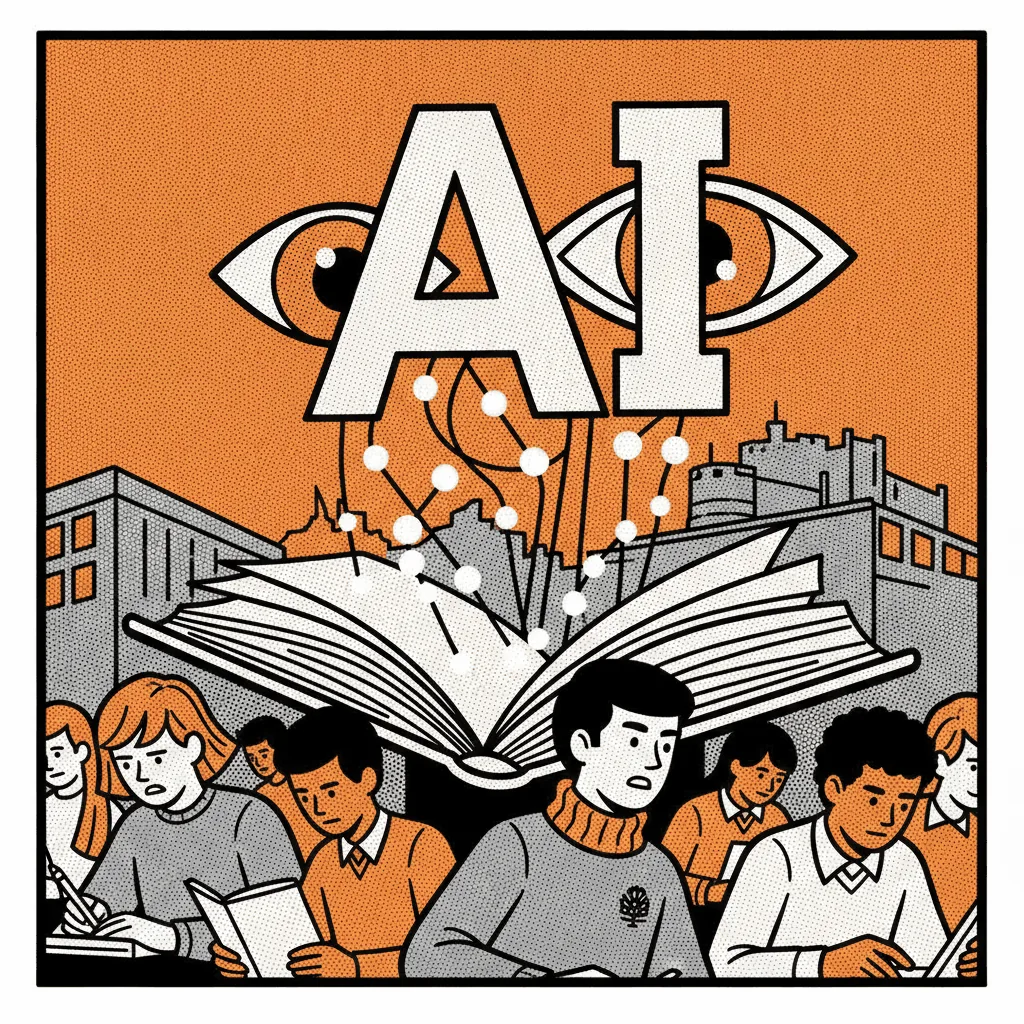
Artificial intelligence has already made inroads into education through lesson planning, personalised learning pathways and administrative automation. Now, a growing body of practice suggests AI can play a more subtle but equally valuable role: watching for the early warning signs that a student is falling behind.
Writing in EdTech Magazine, practitioners outline how AI systems can analyse patterns across participation, attendance and assessment data to surface insights that a busy teacher might otherwise miss. Rather than replacing professional judgement, the technology acts as an additional layer of observation, flagging concerns so that staff can intervene sooner and with better information to hand.
The implications for instructional planning are significant. When a system can identify, say, a cluster of pupils who consistently disengage during a particular type of task, teachers can adjust their approach before attainment data catches up. Earlier intervention generally means better outcomes, and it reduces the pressure on already stretched support staff.
For Scottish schools, where the curriculum already emphasises personalised support and the early identification of additional needs, this kind of analytics capability aligns well with existing priorities. The technology is not a silver bullet, but used thoughtfully it offers a practical way to make better use of the data schools are already collecting.