

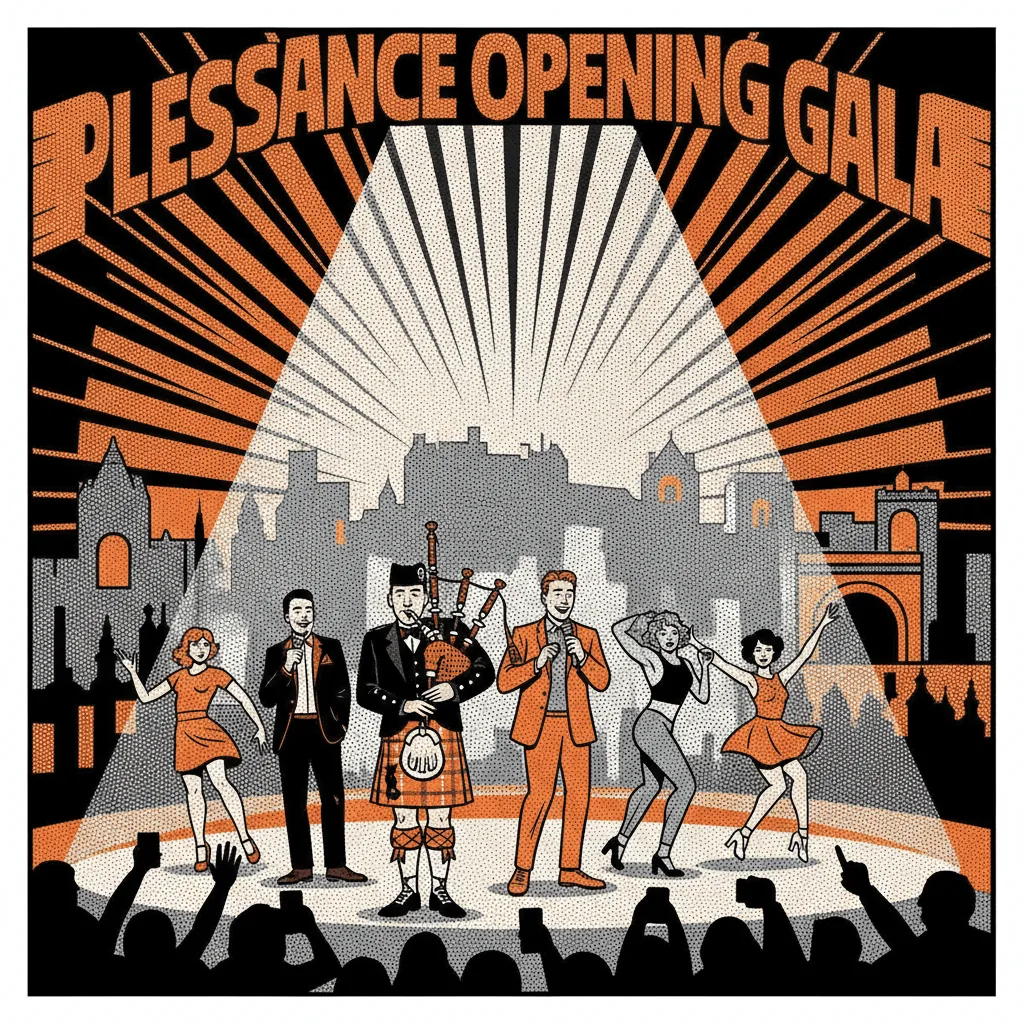
The Pleasance Opening Gala marked the unofficial start of Fringe 2026 this week, gathering performers and audiences at one of the festival's most storied venue groups to celebrate the artists about to fill its three Edinburgh spaces. Anthony Alderson, Director of Pleasance, used the occasion to address the thousands of performers who make the institution what it is each August, a note of recognition that lands differently when you consider how much economic and creative energy those artists drag into this city every single year.
The Edinburgh Festival Fringe is, by any reasonable measure, the largest arts festival on the planet. According to the Edinburgh Festival Fringe Society, the event generates hundreds of millions of pounds for the Scottish economy annually, with Edinburgh's hotels, restaurants, bars, transport operators, and retailers all riding a wave of visitors that no other single event in Scotland comes close to replicating. For context, the Scottish Government's own tourism data puts August festival footfall in the city at well over three million visits in a typical year.
Pleasance sits at the heart of that ecosystem. With three distinct venues, from the beloved cobbled courtyard on Potterrow to the sprawling Dome and the polished EICC space, it hosts some of the most-watched and most-reviewed shows on the programme. Careers get made at Pleasance. Agents turn up. Broadcasters commission. The gala was a reminder that what looks like a party is, in commercial terms, a launch event with serious stakes.
For Edinburgh's independent operators, the Fringe is the closest thing the city has to a guaranteed revenue spike, but it rewards those who prepare. Research published by the Edinburgh Chamber of Commerce has consistently shown that businesses within walking distance of major festival venues outperform the city average by a significant margin in August, provided they staff accordingly, extend their hours, and actively market to the visitor wave. Those who treat August as just another month tend to leave money on the table.
The cultural case and the commercial case are the same case here. Every artist arriving in Edinburgh to perform at the Pleasance, or at any of the Fringe's 300-plus other venues, is a visitor who eats, drinks, travels, and spends. They bring audiences. Those audiences bring spend. And that spend circulates through an economy of small businesses, freelancers, and independent venues that would feel the absence of August for months if it ever stopped. It will not stop. But it is worth saying out loud.