
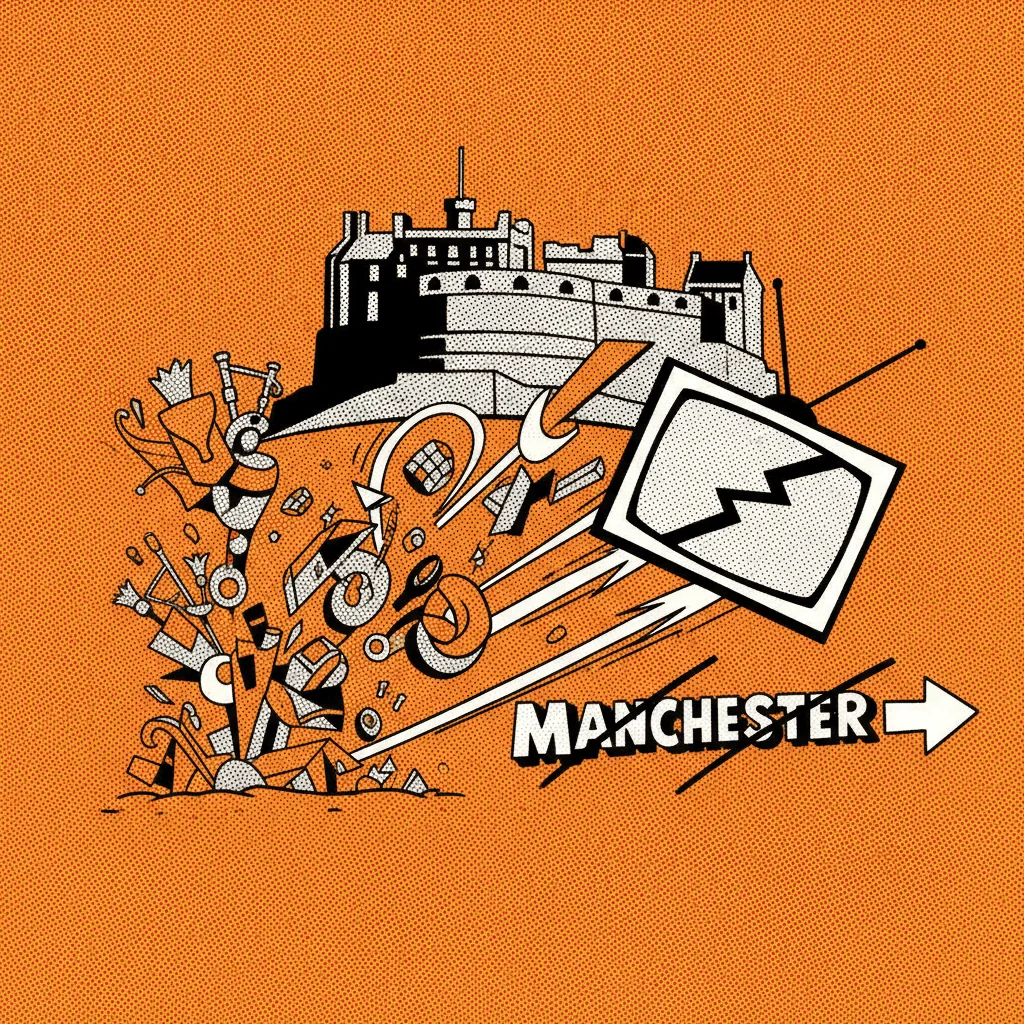
After more than 40 years in Edinburgh, the Edinburgh TV Festival has confirmed it will relocate to Manchester from next summer. The move follows years of the festival operating in a hybrid model, and reflects Manchester's growing pull as a media production hub, anchored by MediaCityUK and the BBC's significant northern presence. It is a genuine departure, and the industry will notice it.
What happens next matters more than the exit. Festivals Edinburgh, the umbrella body that coordinates the city's 12 major festivals, has confirmed it is developing a "significant" new event to fill the gap in the August programme. No details have been published yet, but the intent is clear: Edinburgh is not conceding creative ground. According to Festivals Edinburgh, the city's festival season generates over £280 million for the Scottish economy each year, and every slot in August carries serious commercial weight for venues, hotels, and suppliers across the capital.
The creative industries context here is important. Scotland's screen sector has expanded sharply over the past decade, supported by Screen Scotland and Creative Scotland's joint investment programmes. Edinburgh itself hosts a growing cluster of production companies, post-production studios, and digital media businesses. A new event built around that ecosystem, rather than transplanted from London as the TV Festival largely was, could serve the city's actual creative economy far better than a legacy format.
For comparison, when the Edinburgh Interactive Festival folded some years back, the gap it left was eventually absorbed by other events rather than directly replaced. The difference here is intent. Festivals Edinburgh is moving quickly, and the language used, "significant," is not the language of a holding statement. According to the Scottish Government's Culture Strategy, Edinburgh's festivals are explicitly identified as a national economic and cultural asset, which means institutional support for a replacement should be available if the programming vision is strong enough.
Manchester gains a well-established industry event. Edinburgh keeps the momentum of August. The question is what shape the new event takes and who it serves. If it is built around Scotland's own creative and media industries rather than simply replicating a UK-wide television industry gathering, it could end up being more useful to Edinburgh businesses than the event it replaces.