

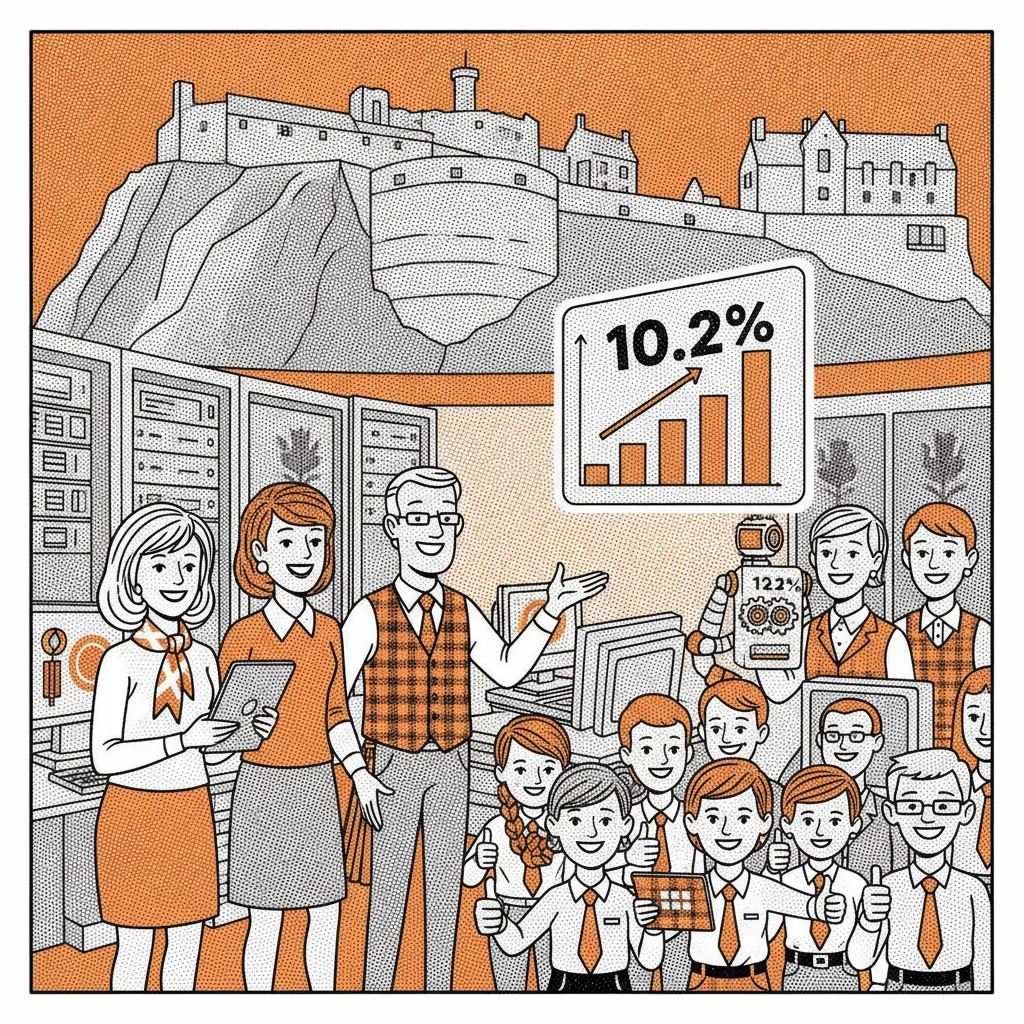
The numbers are in, and they don't fit the doomsday script. According to new research covered by TechCrunch, companies classified as 'high-intensity AI adopters' grew their total headcount by 10.2%. Entry-level positions grew even faster, up 12%. If AI were the job-destroying force that fills column inches and conference panels, this is not what the data would look like.
The finding matters because the fear of AI displacing workers, particularly those just starting out, has been one of the most persistent objections to adoption among small business owners. It's the concern that stops a practice manager from automating appointment admin, or a school business director from letting AI handle report drafting. The worry isn't abstract. It's moral. Nobody wants to be the person who made someone redundant by installing a chatbot. This data suggests that framing is simply wrong.
What the research points to is a pattern economists have observed in previous waves of automation: productivity gains tend to expand the scale of a business, which creates demand for more people, not fewer. When a two-person marketing agency in Edinburgh can now produce the output of a six-person team, the likely outcome isn't that four jobs disappear. It's that the agency wins larger clients, takes on more work, and needs to hire. The McKinsey Global Institute has documented this 'augmentation effect' across multiple sectors, finding that technology-driven productivity consistently generates net job creation over five-to-ten-year windows, even where individual task displacement is real in the short term.
The entry-level figure is the detail worth sitting with. A 12% rise in junior hiring among the heaviest AI users cuts directly against the idea that AI is making it harder for younger workers to get a foot in the door. The more plausible explanation is that AI handles the repetitive, low-complexity tasks that used to clog up senior people's days, freeing those seniors to take on more strategic work, and creating space for junior hires to do meaningful work earlier. The Institute for the Future of Work, based at Oxford, has made a similar argument: AI, deployed well, compresses the time it takes for a new employee to become genuinely useful, which makes hiring them more attractive, not less.
For Scottish SMEs, the practical read is straightforward. The businesses pulling ahead aren't the ones treating AI as a cost-cutting exercise. They're treating it as a capacity tool. A sole trader in Leith who automates client onboarding doesn't save one job's worth of time and stop there. They use that time to take on two more clients, and eventually hire someone to manage them. That's the compounding logic the data describes. Scotland's enterprise support bodies, including Business Gateway and Scottish Enterprise, have been pushing AI adoption specifically on this basis, framing digital tools as a route to growth rather than a route to redundancy. The new numbers back them up.